Introduction
As the world becomes increasingly conscious of energy efficiency and smart technology, the trend toward smart home devices continues to rise. Among these innovations, smart thermostats have emerged as a pivotal element in modern homes. Not only do they offer convenience, but they also enhance energy efficiency, leading to significant savings over time. This comprehensive article delves into the latest trends surrounding smart thermostat installation in new homes, exploring their benefits, technological advancements, and the role of professional electrician services.
Smart Thermostat Installation Trends in New Homes
In recent years, smart thermostat installations have become a Electrician hallmark of new home construction. But what exactly drives this trend?
Understanding Smart Thermostats
Smart thermostats are Wi-Fi-enabled devices that allow homeowners to control their heating and cooling systems remotely via smartphone applications. They learn from user habits to optimize energy usage, which not only saves money but also contributes to environmental sustainability.
Benefits of Smart Thermostats
Energy Efficiency- Smart thermostats can significantly reduce energy consumption by learning homeowner habits and adjusting accordingly.
- With mobile applications available for both Android and iOS devices, homeowners can adjust their home's temperature from anywhere.
- Many smart thermostats can integrate seamlessly with other smart home devices like lights and security systems.
- These devices often send alerts regarding system maintenance needs or unusual activity, enhancing overall home safety.
The Role of Electrician Services in Installation
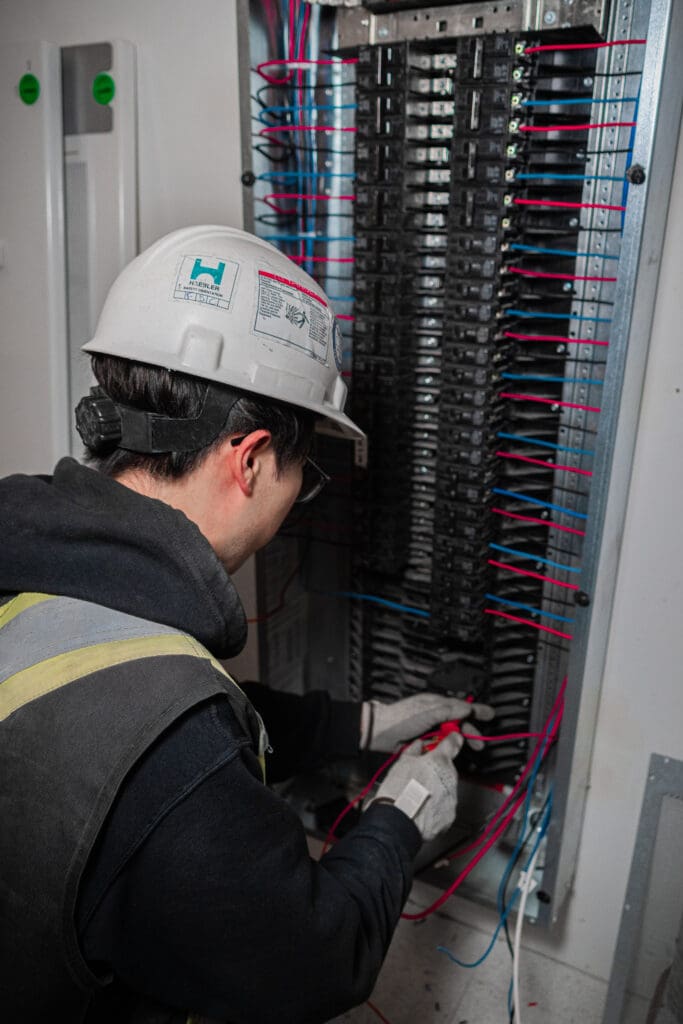
Installing a smart thermostat isn't just about following instructions; it requires expertise in electrical systems. Here’s where professional electrician services come into play:
- Residential Electricians: They ensure that the installation complies with local electrical codes and standards. Commercial Electricians: Their experience with larger systems is beneficial when integrating smart thermostats into commercial settings.
Current Trends Influencing Smart Thermostat Installations
1. Growing Demand for Energy-Efficient Solutions
As utility costs rise and awareness of climate change grows, more homeowners are looking for ways to lower their carbon footprint.
- According to studies, homes equipped with smart thermostats can save up to 20% on heating costs.
2. The Rise of IoT (Internet of Things)
The integration of Internet of Things (IoT) technology allows for better connectivity between various devices within the home ecosystem.
- For instance, pairing a smart thermostat with an EV charger installation enables optimal charging times based on energy usage.
3. User-Friendly Interfaces
Modern users demand simplicity. Today’s smart thermostats feature intuitive interfaces that make them easy to operate without extensive technical knowledge.
- Many manufacturers focus on creating user-friendly apps that provide real-time data regarding energy usage.
4. Voice Activation and AI Integration
Voice-activated technology is gaining traction in households worldwide.
- Devices like Amazon Alexa or Google Home can now control smart thermostats through simple voice commands.
How to Choose the Right Smart Thermostat for Your Home
Choosing the right device entails considering multiple factors:
Compatibility with Existing HVAC Systems
Not every thermostat works with every HVAC system. Make sure you consult with your residential electrician before making a purchase.
Tips:
- Check compatibility online or consult your HVAC manufacturer directly.
Energy Reports and Usage Insights
Some models offer detailed reports on your energy consumption patterns:
- This feature helps identify potential savings areas by monitoring daily/weekly usage trends.
Budget Considerations for Installation
While many high-tech options exist, budget-conscious consumers should consider both initial purchase costs and long-term savings on energy bills.
Installation Process Overview: What to Expect?
When you're ready to install a smart thermostat, here's what typically happens:
Assessment by an Electrician- A qualified residential electrician will assess your current setup for compatibility issues.
- Disconnecting the old unit requires careful handling to avoid damaging existing wiring.
- Proper wiring is crucial; this step often involves connecting wires according to color codes provided by the manufacturer’s instructions.
- Once installed physically, configuration through an app begins—this includes connecting it to Wi-Fi and setting personal preferences.
- After installation is complete, testing ensures everything operates correctly before leaving the site.
Emerging Technologies in Smart Thermostat Design
Electrician near meMany companies are innovating rapidly in this space:
1. Advanced Learning Algorithms
These algorithms analyze your heating/cooling patterns over time:
- The intelligence behind these features means less manual adjustment is needed as seasons change.
2. Enhanced Security Features
Smart thermostats are evolving beyond temperature control:
- Some now include features like motion detection or alerts if unusual activity occurs while you’re away from home.
Integrating Solar Power with Smart Thermostats
With solar panel installation becoming more common in new homes, combining this technology with smart thermostats offers additional benefits:
Solar panels produce energy that can be used directly for heating/cooling. Smart thermostats can optimize when these systems draw power based on real-time solar production data.This integration not only enhances efficiency but also promotes sustainability—two goals at the forefront of modern living!
FAQs about Smart Thermostat Installation
1. What is a smart thermostat?
A smart thermostat is a device that automatically adjusts your home's temperature based on your preferences and habits using Wi-Fi connectivity for remote access via smartphones or tablets.
2. Do I need an electrician for installation?
Yes! It's highly recommended to hire professional electrician services to ensure correct wiring and compliance with local codes during installation.
3. Can I use my existing HVAC system with a new smart thermostat?
Most likely! However, it's essential first to verify compatibility between your current system and any new device you're considering purchasing.
4. How much can I save on my electricity bill?
Studies show that installing a smart thermostat can lead up to 20% savings on heating costs annually; however, actual savings depend on individual usage patterns!
5. Are there specific brands you recommend?
Popular choices include Ecobee, Nest Learning Thermostat, Honeywell Home T9/T10 Pro since they all offer unique features catering towards different user needs/preferences!

6. How does it integrate with other smart home devices?
Many modern models pair easily with compatible devices such as lighting systems or security cameras allowing seamless control through one central hub/app interface!
Conclusion
In conclusion, the future looks bright for smart thermostat installations in new homes as technological advancements pave the way toward greater efficiency and convenience while minimizing ecological footprints simultaneously! Whether you opt for basic functionality or seek out cutting-edge features integrated into broader ecosystems—the key takeaway remains clear: investing now pays off later through consistent savings! Always remember consulting qualified professionals ensures maximum effectiveness throughout each step along this journey toward smarter living spaces—so don’t hesitate when seeking reputable “electrician services” tailored specifically according unique requirements laid forth during planning stages!